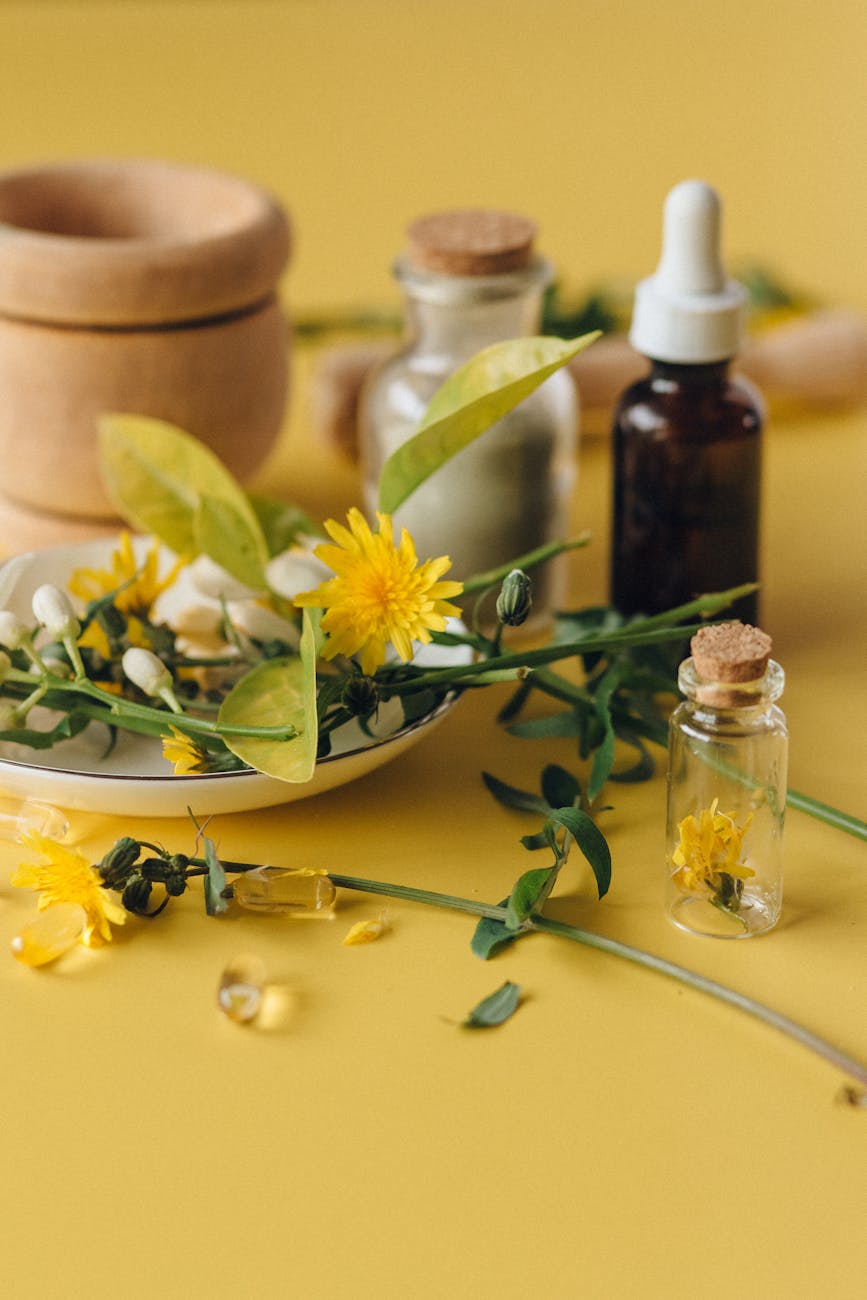
Here is a quick look at the different types of home herbal remedies to get you inspired!
Storing Herbs & Remedies For optimal preservation, keep remedies in a cool, dark, dry place within tightly sealed containers like mason jars with metal lids or dark glass bottles with caps. Factors like heat, light, moisture, and oxygen can degrade herbal products, so proper storage is crucial. Perishable items, including fresh or frozen herbs, pastes, and sodas, should be stored in the refrigerator or freezer. Shelf-stable items like glycerine, honey, syrup, hydrosol, cream, and vinegar extracts will also last longer if kept cold.
Drying Herbs Regularly harvesting herbs promotes growth and provides more for your use. Ideal drying temperatures range from 95 to 110°F with good airflow or low humidity. Place recently harvested herbs in a brown paper bag, fold it shut, and leave it in your car’s windshield for 1-3 days. Check daily for dryness, indicated by leaves crumbling easily. Once dry, remove leaves from stems and store in glass containers in a cool, dark, dry place.
For delicate herbs or in hot, humid conditions, hang herbs in loose bundles or dry them on a rust-proof screen with a fan. A dehydrator with a controllable thermostat set to 95-110°F also works well.
Herbal Teas & Water Extracts
Infusions (Steeping): This method suits the delicate parts of plants, such as leaves and flowers. Use 1 tsp to 1 Tbsp of dried herb per cup of water. Cover, steep for 5-20 minutes, strain, and enjoy. Stronger teas require more herbs and longer steeping times, while lighter teas need less.
Infusion Variations:
- Strong Tea Infusion: For potent medicinal teas, steep 1 ounce of herb in a 32-ounce jar of hot water for 4+ hours or overnight.
- Fresh Herbs: Use 2-3 times more fresh herbs, cover, and steep for 30+ minutes.
- Iced Tea: Refrigerate brewed tea or make it double-strength and pour over ice.
- Cold Water/Seltzer Infusion: Steep a few sprigs of fresh herbs in cold water or plain seltzer for 5 minutes to 2 hours. Add sweetener if desired and consume within a day.
Decoctions (Simmering): Best for harder parts of plants, like roots, bark, and seeds. Use 1 tsp to 1 Tbsp of dried herb per cup of water, simmer for 5-20 minutes, strain, and drink.
Beyond Teas: Infuse or decoct herbs in soups, broths, milk, cream, and other wet ingredients for recipes.
Freezing Herbs Some herbs, like lemongrass stalks, chives, and tarragon, can be frozen directly in a freezer bag. Remove as much air as possible to prevent freezer burn. For delicate herbs that bruise easily, vacuum-seal them in individual serving size bags. Alternatively, freeze chopped herbs in ice cube trays covered with water or cooking oil.
Frozen Herbal Paste: For herbs like parsley, cilantro, and chives, which lose flavor when dried, puree fresh with olive oil and store in ziplock bags in the freezer. For sweeter herbs like mint and lemon balm, puree with canola oil for future use in baking.
Herbal Honey
Cooked Method: Chop fresh or dry herb, and for each 1/2 cup of chopped herb, add 2 cups of honey. Bring to a gentle boil, cool, and repeat 1-3 times daily for 3 days. Strain the warm mixture into jars. This method works well for aromatic herbs like lemon balm, anise hyssop, and mint.
Raw Method: Chop herb and pack loosely in a jar. Cover with honey, seal, and turn the jar daily. After a few weeks, strain the honey and store. If watery, refrigerate; if thick, it should be shelf-stable for about a year.
Herbal Vinegar Chop fresh herbs, loosely pack a jar, and cover with vinegar. Let sit for at least one month, strain, and use. White distilled and rice vinegars show off the herbs’ colors and flavors, while apple cider vinegar adds its own benefits. Store in a plastic-capped container for 1-2+ years.
Oxymel: Mix honey with vinegar, or substitute with sugar/simple syrup or glycerine.
Tincture (Alcohol Extract)
Fresh Plant Tincture: Chop fresh herbs, pack into a mason jar, and fill with whole grain alcohol or high-proof vodka/brandy. After a day, top off the jar. Let sit in a dark place for at least a month, then strain. This method results in a potent extraction suitable for most herbs.
Dry Herb Tincture: Powder the herb and mix with an alcohol/water blend (40-60% alcohol). Shake daily for at least a month before straining.
Decoction Tincture Method: For roots and mushrooms, simmer herbs before adding alcohol. This method extracts beneficial compounds that are hard to obtain otherwise.
 Alicia Meek