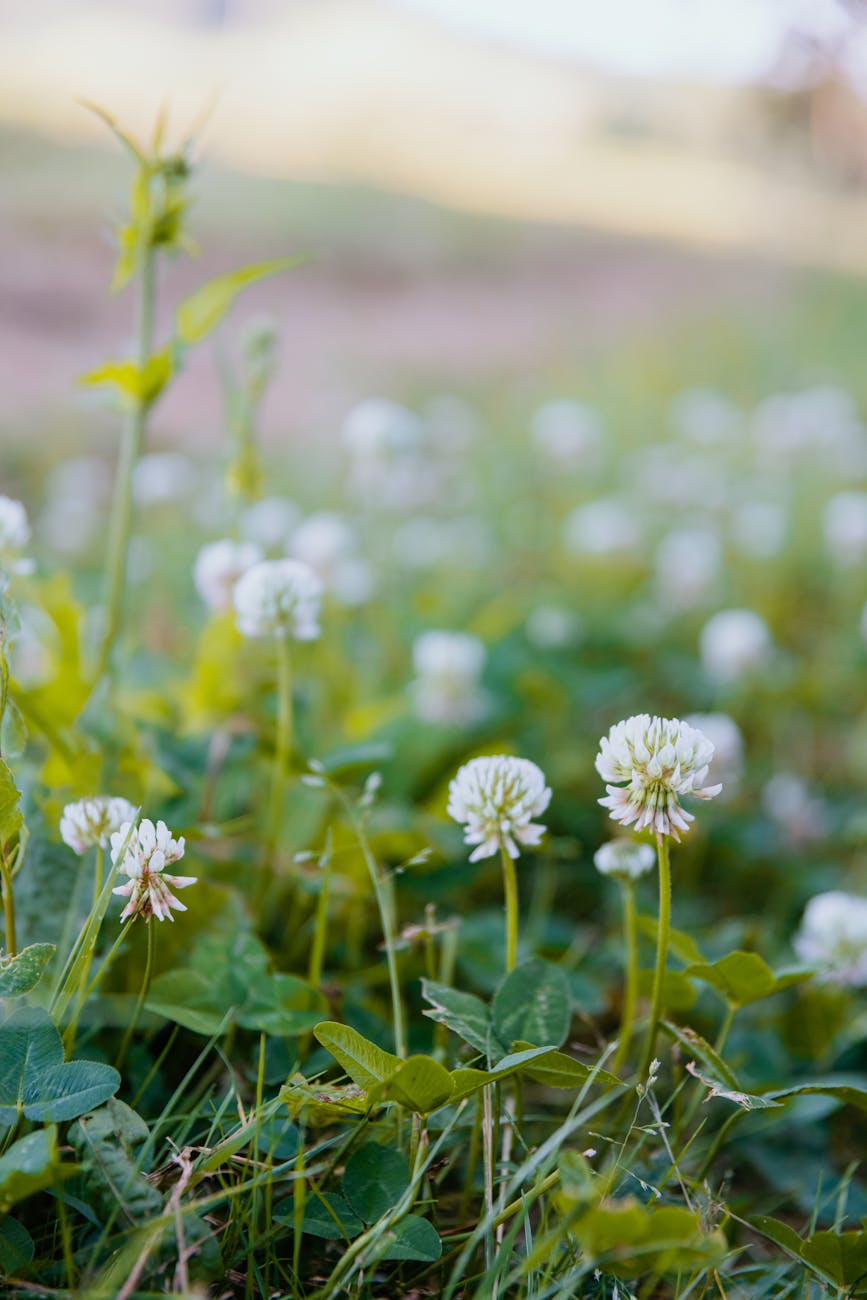
White Clover, also known by its scientific name Trifolium repens, is a common sight in many lawns, parks, and roadsides. Often dismissed as a weed, this low-growing, perennial plant is actually a treasure trove for both culinary and medicinal uses. Not only does it provide a valuable food source for bees, but every part of the plant—stems, leaves, flowers, and seeds—is edible and has potential health benefits.
What is White Clover?
White Clover is a herbaceous perennial plant from the legume family, Fabaceae. It’s native to Europe and Central Asia but has been widely introduced around the world, making it a familiar sight in places like New Zealand, Australia, and North America. Known by several names, including Dutch Clover, Ladino, and White Trefoil, this plant is valued not only as a ground cover but also as forage for livestock due to its rich nutritional profile.
Edible Qualities of White Clover
Every part of the White Clover plant is edible. You can consume the stems, leaves, flowers, and even the seeds. While it’s safe to eat raw, cooking may aid in digestion, making it easier on the stomach. In the kitchen, the flowers add a pop of white to salads, while the leaves can be used similarly to other leafy greens. You can also dry the flowers and leaves to make a mild, nourishing tea.
Medicinal Benefits of White Clover
White Clover isn’t just a treat for the taste buds; it also offers several medicinal benefits. It contains vitamins A, B2, B3, C, and E, along with minerals like magnesium, potassium, chromium, and calcium. Herbalists often incorporate White Clover into tea blends aimed at boosting the immune system and relieving symptoms of colds, flu, and headaches. The plant’s flavonoids contribute to its antioxidant and anti-inflammatory properties, which might help reduce the risk of chronic diseases like type 2 diabetes and obesity.
Safety Considerations
While White Clover is generally safe, it’s important to be cautious. Consuming large amounts may have a blood-thinning effect, so individuals on blood thinners or those scheduled for surgery should avoid it. Additionally, due to its mild estrogenic effects, pregnant or breastfeeding women should consult a healthcare provider before using White Clover as a supplement.
Identifying and Harvesting White Clover
White Clover is easy to recognize with its trifoliate leaves and white spherical flower heads. The plant typically grows 8 to 10 inches tall, forming dense mats through its creeping stems. It thrives in open, sunny areas with moist soil, making lawns and pastures ideal spots to find it. However, avoid foraging in places treated with herbicides or pesticides to ensure your harvest is free from harmful chemicals.
Culinary Uses of White Clover
Adding White Clover to your diet is simple and rewarding. You can sprinkle the fresh flowers and leaves into salads, or use the leaves as a green in soups and stews. For a unique twist, try baking with clover flowers, or dry them to make a soothing tea that pairs well with honey. Clover seeds can be ground into a nutritious flour, though they require a good amount of gathering.
Traditional Medicinal Uses
Herbalists have long loved White Clover for its medicinal properties. The blossoms can be used to prepare teas or tinctures that help manage minor illnesses, while poultices made from the plant can soothe skin irritations and minor wounds. In some cultures, White Clover is used to treat more specific ailments such as gout and rheumatism, although these uses are less documented in scientific literature.
White Clover in Natural Beauty Products
Beyond its culinary and medicinal uses, White Clover can also enhance your natural beauty routine. Infusing clover into oils or making it into salves can provide relief for irritated skin. Adding clover blossoms to bathwater creates a calming, therapeutic soak, perfect for unwinding at the end of the day.

The Ecological Role of White Clover
White Clover plays an essential role in supporting biodiversity. It is a key food source for bees, which are crucial for pollination. Additionally, clover improves soil health by fixing nitrogen, which enhances fertility without the need for chemical fertilizers. Its ability to thrive in poor soils and withstand foot traffic makes it a hardy, sustainable choice for ground cover.
A Natural Weed Solution
Rather than viewing White Clover as a pesky weed, consider its benefits as a natural lawn alternative. Clover lawns require less maintenance, are more drought-resistant, and naturally suppress the growth of other weeds. Plus, they offer a pleasing aesthetic with their lush, green foliage and charming white flowers.
Conclusion
White Clover is more than just a common lawn plant; it’s a versatile, nutritious, and medicinal powerhouse. From its use in salads and teas to its role in natural remedies and sustainable landscaping, White Clover proves that sometimes the best things in life are right under our feet. Embrace the potential of this humble plant and discover its many virtues for yourself.
FAQs
Is White Clover safe for pets?
Yes, White Clover is generally safe for pets. However, as with any plant, moderation is key, and you should ensure that the clover hasn’t been exposed to herbicides or other chemicals.
Can White Clover be used to treat skin conditions?
Yes, White Clover has soothing properties that can be beneficial for treating minor skin irritations, burns, and sores. It can be used in poultices, salves, or added to bathwater.
What does White Clover taste like?
White Clover has a mild, slightly sweet flavor. The flowers and young leaves are the most tender and palatable, making them excellent additions to salads and teas.
Is it safe to eat White Clover raw?
While White Clover can be eaten raw, some people find it easier to digest when it’s cooked. Light steaming or boiling can make the nutrients more accessible and reduce potential digestive discomfort.
Can White Clover help with digestive issues?
White Clover may help with digestion due to its anti-inflammatory properties. Its traditional use in herbal medicine includes treating stomach aches and indigestion.
How does White Clover benefit the environment?
White Clover enhances soil fertility by fixing nitrogen, supports bee populations as a food source, and provides a natural, low-maintenance ground cover option.
Embrace the full potential of White Clover, not just as a weed, but as a valuable plant with numerous benefits for both humans and the environment. Happy foraging!
 Alicia Meek